
THE LONGEVITY GUIDE
How Sustainable Fabrics Retain Shape and Softness Over Time
Investing in a minimalist, capsule-led wardrobe is only half the equation. The true test of a premium garment lies in its endurance - how it behaves after fifty wears, how it responds to the wash cycle, and whether its fibers retain the precise drape and next-to-skin softness that made you fall in love with it in the first place.
Premium materials such as Pima cotton and performance fabrics like Resoftlux™ are designed to maintain their softness, shape, and appearance through repeated wear and washing.
In this guide, we'll explain why clothes lose shape over time, how premium fabrics maintain their fit and softness, and the best fabric care practices to help your wardrobe last longer.

Long-lasting clothing starts with more than thoughtful care - it begins with the quality of the fabric itself.

Why Clothes Stretch, Pill, and Lose Their Fit
To prevent clothing from stretching out, pilling, or losing its original fit, it helps to understand why fabrics change over time. Whether a garment is made from natural fibers, wool, performance fabrics, or technical blends, fabric aging is typically driven by a combination of mechanical stress, fiber quality, and repeated exposure to heat and friction.
When people search for answers to questions like "Why do clothes lose shape after washing?" or "How do I stop fabric from bagging out?", the answer often comes down to three key factors.
1. Stretch and Recovery
Every fabric has a natural recovery rate—the ability to return to its original shape after being stretched during wear.
Daily movement places repeated pressure on areas such as the knees, elbows, waistband, and seat. Over time, lower-quality fabrics may experience elastic fatigue, meaning the fibers lose their ability to fully recover after stretching. This can lead to permanent distortion, sagging, or the "bagging out" commonly seen in heavily worn garments.
High-quality fabrics are engineered with improved stretch recovery, helping garments maintain their shape and appearance through repeated wear.
2. Fiber Quality and Fabric Construction
The long-term performance of a garment depends on the quality of its fibers and fabric construction.
Lower-quality fabrics often contain shorter fibers or less stable yarns, making them more prone to pilling, surface wear, and shape loss over time.
Premium materials such as Pima cotton use longer, smoother fibers, while carefully engineered fabrics are designed for durability, shape retention, and long-term comfort. Together, these factors play a key role in how well clothing ages.
3. Heat, Friction and Fabric Wear
Heat and friction are among the biggest contributors to fabric degradation.
Frequent high-temperature washing, tumble drying, and excessive abrasion gradually weaken fibers and reduce their ability to maintain softness, shape, and performance.
Washing at lower temperatures, minimizing unnecessary heat exposure, and following garment care instructions can help preserve fiber strength, maintain shape retention, and extend the lifespan of your clothing.
By combining premium materials with thoughtful care, garments are better able to retain their softness, fit, and overall appearance for years to come.

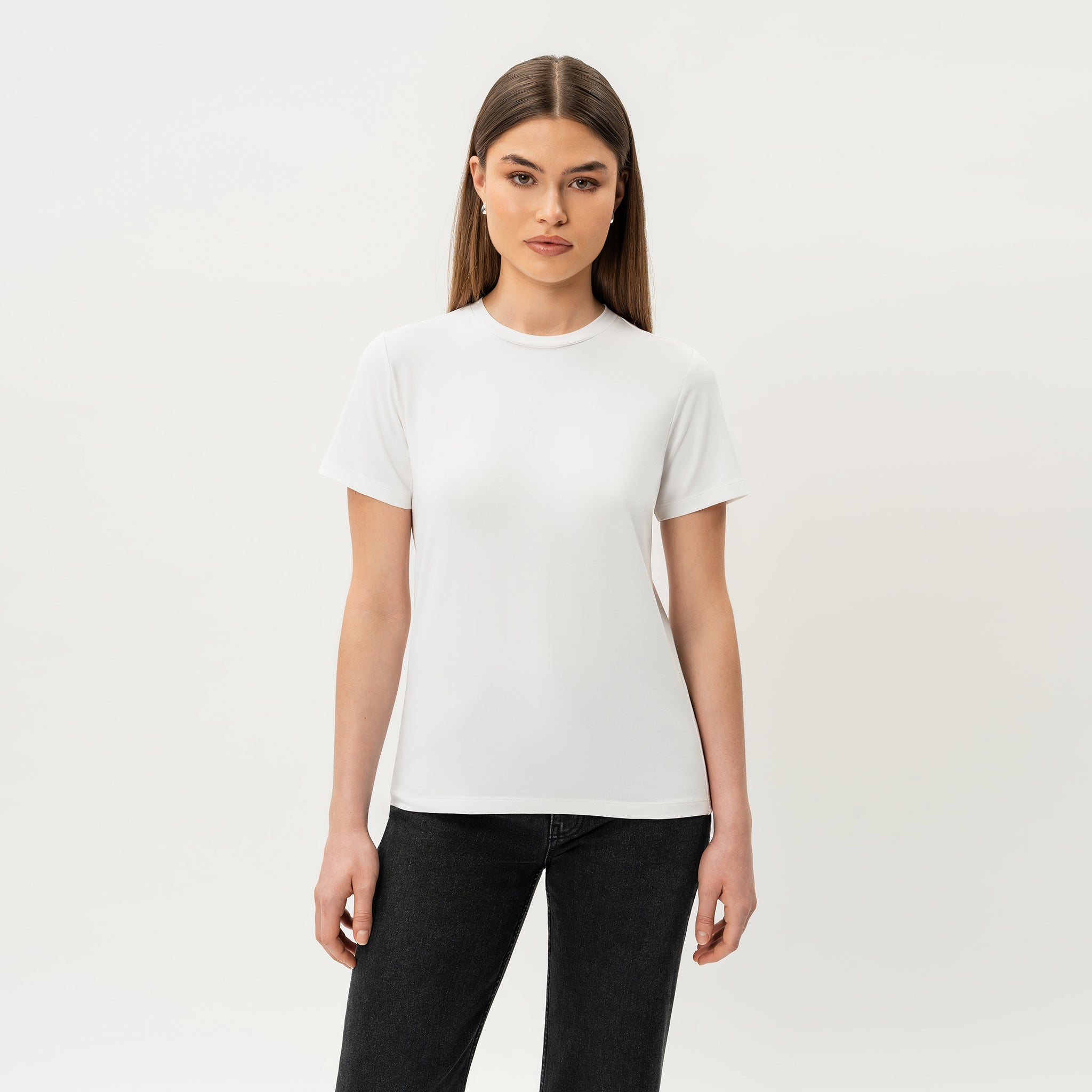
The Science of Permanent Softness: How Pima Cotton Maintains Softness and Shape
Why does Pima cotton maintain its shape and softness better than regular cotton?
Widely recognized as one of the highest-quality cotton fibers available, Pima cotton is known for its extra-long staple fibers, which create smoother, stronger yarns than conventional cotton.
This unique fiber structure helps the fabric resist pilling, maintain softness, and retain its shape through repeated wear and washing. Because there are fewer exposed fiber ends, Pima cotton is naturally more durable and less prone to surface wear over time.
For everyday essentials such as T-shirts, long-sleeve tops, and layering pieces, fabric quality plays a significant role in long-term comfort, shape retention, and clothing longevity.
Engineered Tailoring Blends: The Mechanics of Stretch Recovery
How do high-quality tailored pants retain their shape without bagging out at the knees? Unlike traditional fabrics, performance-driven tailoring requires a careful balance of fluid drape and structural elasticity. Premium fabrics such as Resoftlux™ and Ponte™ are engineered to provide both comfort and a high level of stretch recovery.
While lower-quality stretch fabrics can lose their shape through daily wear, high-performance fabrics are designed to recover after movement and maintain their original fit. For wide-leg trousers, relaxed straight pants, and tailored separates, effective stretch recovery helps reduce wrinkles, maintain shape retention, and support long-term durability.


Premium Denim Architecture
How do high-quality tailored pants retain their shape without bagging out at the knees? Unlike traditional fabrics, performance-driven tailoring requires a careful balance of fluid drape and structural elasticity. Premium fabrics such as Resoftlux™ and Ponte™ are engineered to provide both comfort and a high level of stretch recovery.
While lower-quality stretch fabrics can lose their shape through daily wear, high-performance fabrics are designed to recover after movement and maintain their original fit. For wide-leg trousers, relaxed straight pants, and tailored separates, effective stretch recovery helps reduce wrinkles, maintain shape retention, and support long-term durability.
The Fabric Care Guide for Long-Lasting Clothing
Premium fabrics are built to last, but standard laundry practices can severely cut their lifespan short. To ensure your investment pieces maintain their exact fit, softness, and finish over time, implement this low-maintenance care blueprint:
Wash at Low Temperatures - Heat is one of the biggest contributors to fiber degradation.
Washing garments at 30°C or lower helps protect fibers, maintain shape, and extend clothing longevity. Some delicate natural fibers, such as merino wool, should be hand-washed according to the care instructions to preserve softness and performance over time.
Turn Garments Inside Out - Before washing, turn garments inside out.
This helps protect the outer surface from friction inside the washing machine and can significantly reduce pilling, fading, and surface wear.
Separate Fabrics by Texture - Wash similar fabrics together to reduce friction and help maintain fabric quality over time.
Skip the Tumble Dryer - While convenient, tumble dryers expose garments to both heat and mechanical stress.
To preserve shape retention, softness, and elasticity, reshape garments while damp and allow them to air dry naturally whenever possible
Dry Flat to Maintain Shape - Drying certain garments flat helps preserve shape retention and supports long-term fabric performance.